
QIGONG
mindfulness & rejuvenation through movement
What is Qigong?
Qigong is an ancient exercise and breath-work system. Practical. Time-tested. Passed down through generations of Eastern Medical traditions to build physical resilience, wellbeing and vitality. It’s a cross between kung fu and moving meditation - similar to Tai Chi - that encourages a deep mind-body connection and a centred and calmer mind.
Most forms are practiced standing - although many can be practiced seated - using gentle, rhythmical, flowing motions like weight shifting, squatting and circular, spiralling movements.
The main difference between Qigong and higher-intensity exercise is the close attention paid to what’s happening on the inside of your body. The goal is to cultivate awareness of your breath, posture, and felt sensations in the body.
In true Chinese paradoxical style, these mindful exercises are energising yet calming, strengthening yet relaxing, invigorating yet grounding.
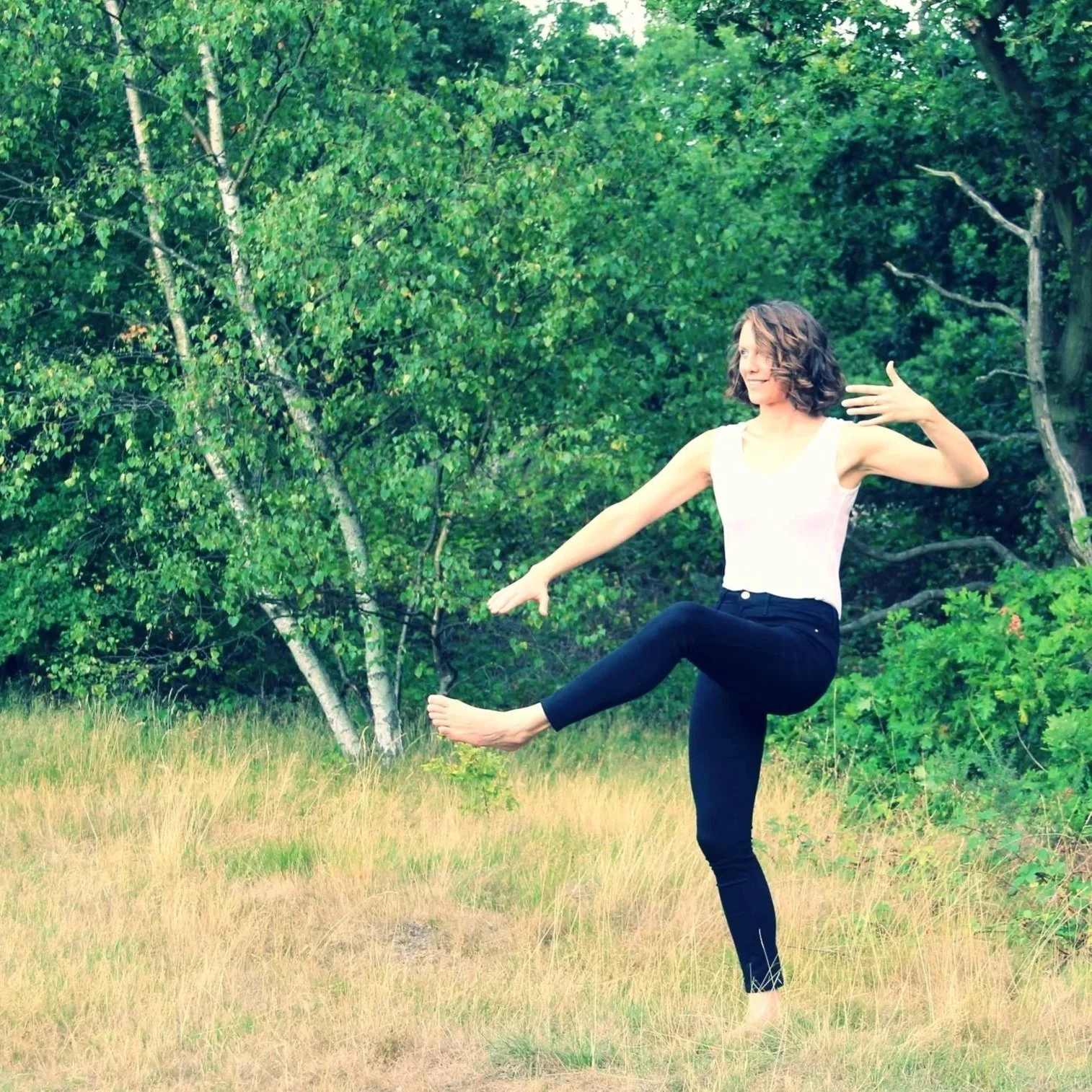
Why practice Qigong?
Steadier Energy: cultivates a sustainable sense of vitality and clears feelings of sluggishness and fatigue.
Grounded Awareness: deepens your internal connection (interoception) and spatial awareness (proprioception) through mindful movement and breath work, which in turn helps to improve balance, coordination and posture.
Joint & Muscle Mobilisation: gently articulates the spine, shoulders and hips - as well as often overlooked joints like the wrists, ankles and shoulder blades - to release tension.
Nervous System Calming: soothes stress stored in the body, giving a racing or overactive mind a quiet place to settle and relax.
Styles Taught
Heaven & Earth Qigong
This deceptively simple 2-part, circular movement is an incredibly grounding and relaxing practice. In traditional Chinese Medicine, this set works predominantly with the Wood element - which corresponds to the joints, tendons and ligaments as well as a sense of smoothness and flow in our body and mind.
What it feels like: fluid, rhythmic, meditative - a flowing mental and physical release
What it focuses on: gentle articulation of the spine, opening of the chest and shoulders, suppleness and toning of the legs and hips
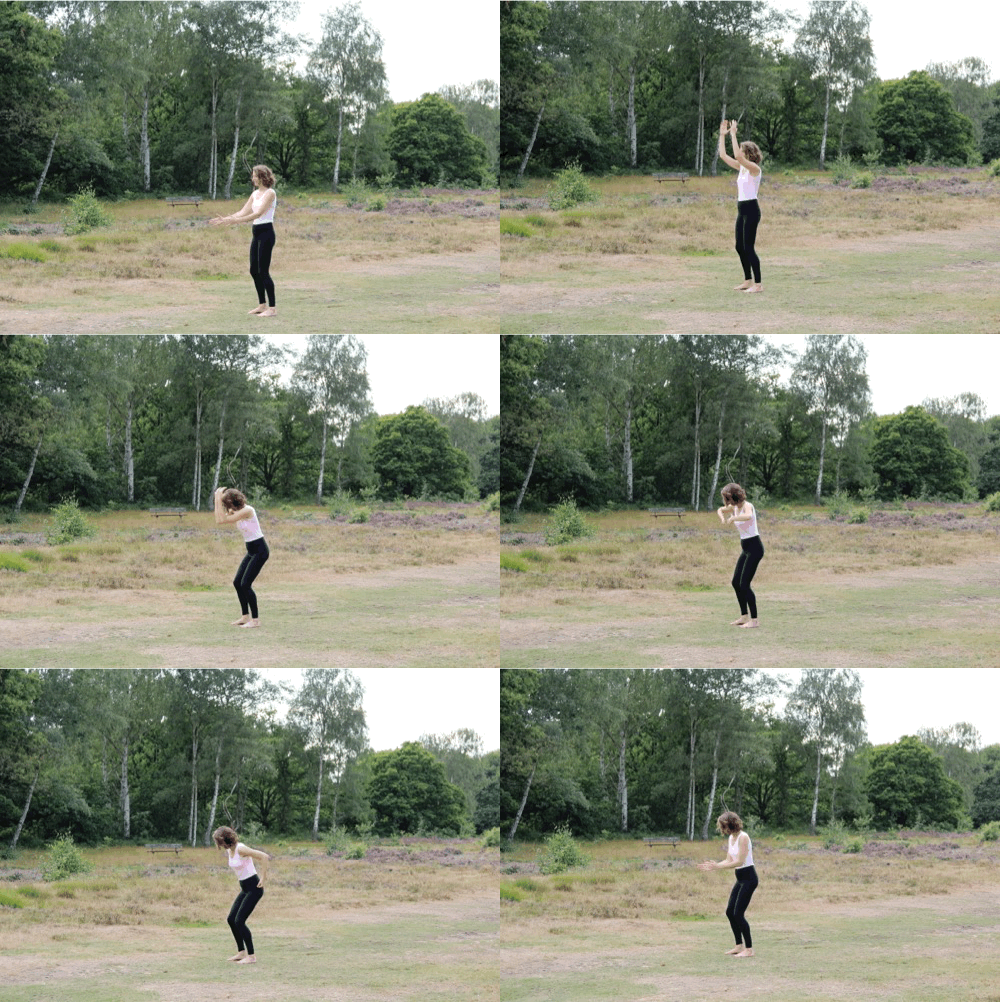
Tai Chi Circling Hands
This set is a foundation for Tai Chi. It works with continuous, spherical and spiralling motions of the arms, legs and waist in three planes - horizontal, vertical and coronal. It works with the core energetic principles of Tai Chi to build stability, strength and openness.
What it feels like: wave-like, expansive and absorbing for the mind
What it focuses on: building core balance through weight transference, exploring rotational movement in the muscles and tissue of the body and introducing the core energetic principles of Tai Chi - peng (spherical expansion), ji (focused extension), liu (yielding) and an (compression)
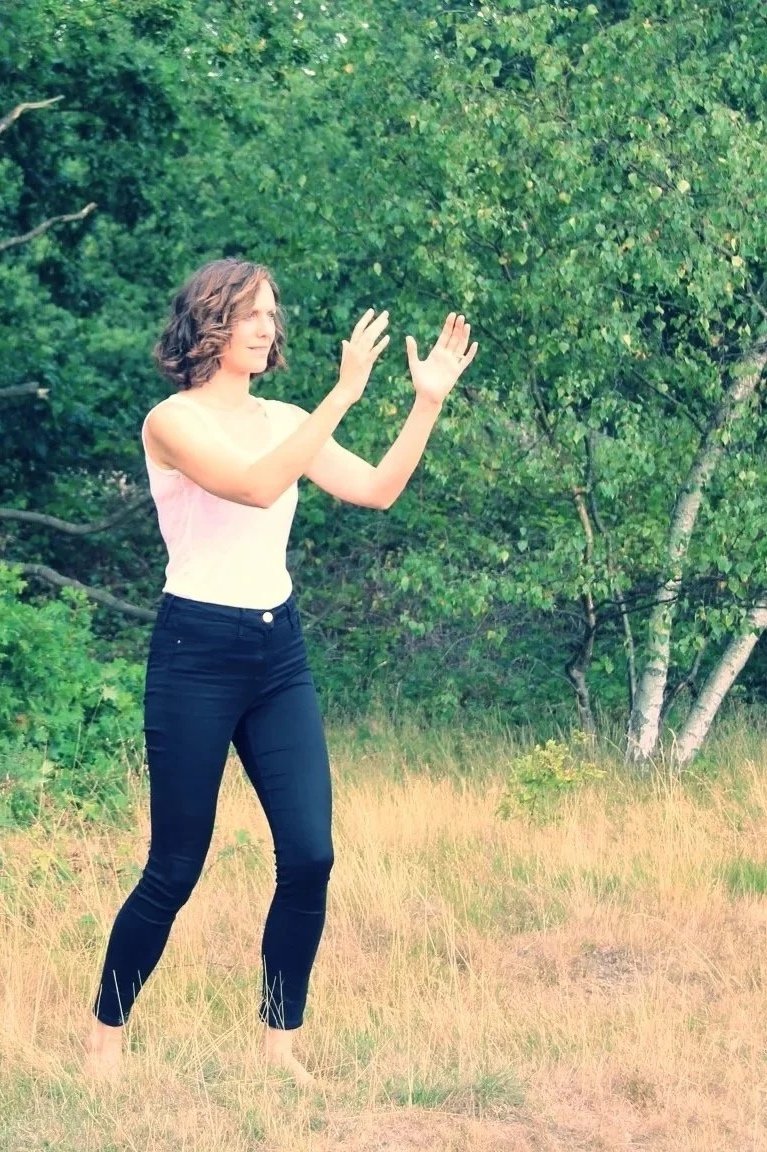
Dragon & Tiger Qigong
An energising medical Qigong set consisting of seven slightly more complex movements. This style is based on the acupuncture meridian system - your hands trace pathways away from the surface of the body to stimulate a sense of fluid movement to clear feelings of stagnation.
What it feels like: invigorating, clearing and refreshing - like a physical spring clean
What it focuses on: thorough articulation of all the major and minor joints, stretching and releasing of muscular and fascial tension, clearing ‘fuzzy-headed’ mental fatigue and boosting energy levels
*All Qigong sets can be adapted to avoid irritation of existing injury or to be done seated.
DISCLAIMER
It is advisable that you consult your doctor before embarking on any new mind or body based exercise. All sessions are designed with foundational material for the physical and mind-based practices included in Qigong and Tai Chi exercise to aid relaxation for those who are psychologically and physically in good health - it is not a substitute for the advice of a physician or psychotherapist.
If you are suffering from severe anxiety, unmanageable stress or some other physical, medical or psychological problem then this practice may not be appropriate for you and I will let you know if that’s the case; if you have any concerns please speak to your healthcare provider or me before taking part.