ACUPUNCTURE
holistic medical wisdom for the modern world
What is acupuncture?
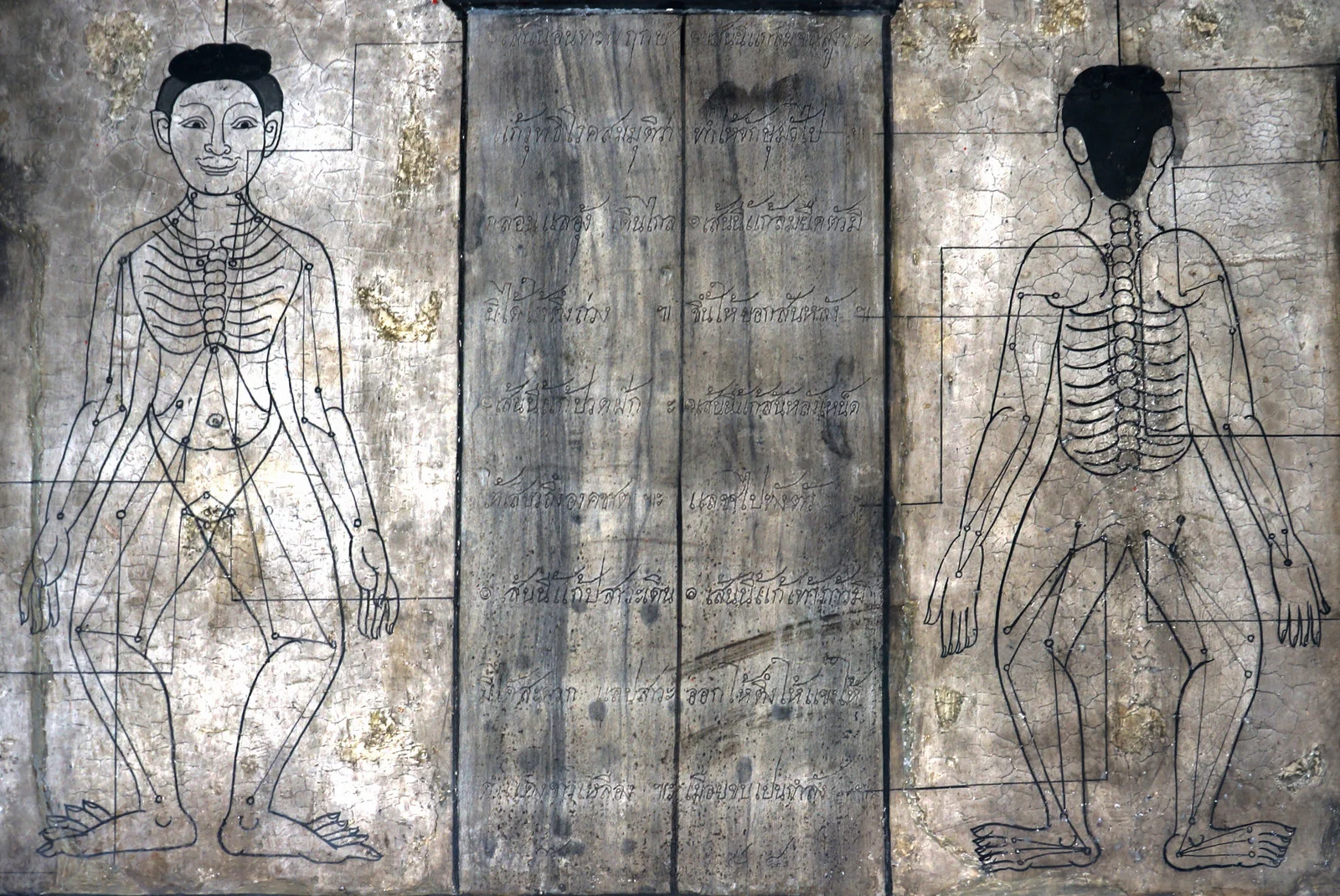
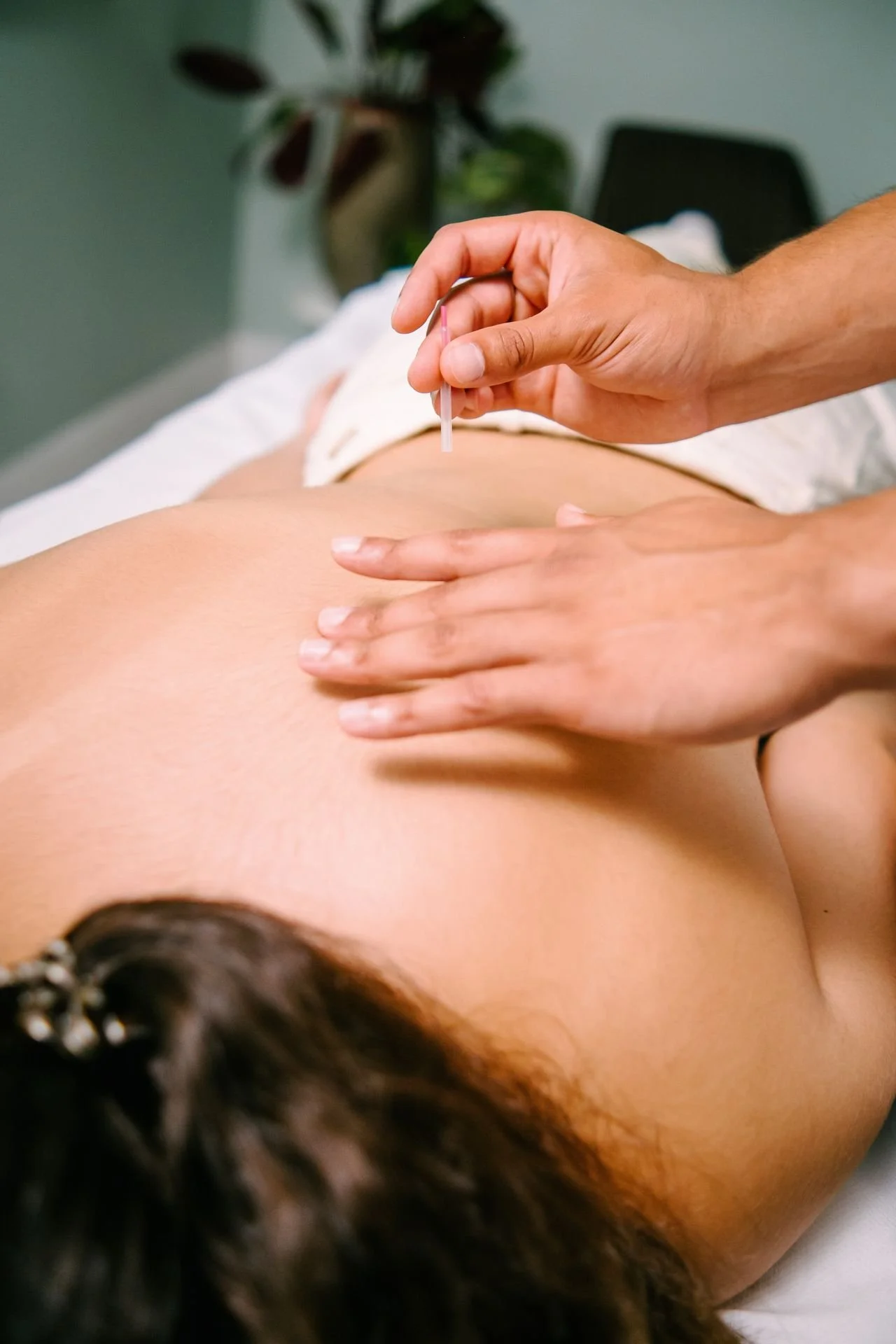
Acupuncture (針灸) is a 2,000-year-old branch of Chinese Medicine that involves the insertion of hair-fine needles at specific points on the body to encourage optimal health, vitality and resilience.
It is a clinically recognised, evidence-backed therapy for relieving the symptoms of a variety of conditions, including chronic low back pain, tension-type headaches, and specific symptoms of the menopausal transition like hot flushes.
The underlying principles
Whether we notice it consciously or not, our bodies are in a state of constant, intelligent activity. Blood, lymph, nerve impulses, muscles, fascia and our organs all work together in a continuous bid to maintain balance and support our daily life.
Sometimes, due to injury, stress, or lifestyle pressures, these systems can become overworked or out of kilter. Chinese Medicine views symptoms of discomfort not as isolated issues, but as the physical manifestation of an imbalance within our physiological and energetic cycles. When this cycle is disrupted, it can lead to areas of tension, deficiency, or physical and emotional exhaustion.
How does it work?
Modern research suggests that acupuncture works primarily by stimulating the nervous system. By inserting hair-fine needles at specific points, we encourage the body to release its own natural biochemicals, such as endorphins (natural pain relievers) and neurotransmitters.¹ This process helps to:
Regulate the nervous system, shifting the body out of a ‘fight-or-flight’ stress response and into a deeply restorative state.²
Modulate sensory perception thresholds, which helps down-regulate pain signals and soothe physical discomfort.³
Encourage local circulation and tissue recovery, prompting the body’s innate ability to recalibrate and restore its own natural flow and function.⁴
If you love exploring the science as much as I do, there is an ever-expanding body of rigorous clinical research demonstrating these physiological effects. You can explore the evidence further through these accredited resources:
The British Acupuncture Council (BAcC): View their comprehensive, peer-reviewed Research Fact Sheets exploring acupuncture's mechanism for specific conditions.
Evidence Based Acupuncture (EBA): A fantastic global repository providing clear, scientific summaries of Acupuncture Research & Mechanisms.
How acupuncture can help
Acupuncture has been shown to provide short-term relief for:
Tension and migraine headaches
Chronic low back and neck pain
Temporomandibular (TMD/TMJ) pain
Temporary adjunctive treatment for osteoarthritis knee pain
Acupuncture may also help to relieve the symptoms of the following:
-
Menopausal hot flushes
Perimenopausal & postmenopausal insomnia
Restless leg syndrome
Shoulder impingement syndrome (early stage) with exercise or physio support
Dry eye
Joint sensitivity*
*During the hormonal shifts of perimenopause, many women notice increased joint sensitivity. Research suggests acupuncture can help by modulating sensory perception thresholds, supporting your body’s ability to manage physical discomfort and helping you feel more comfortable in your own skin.
-
Many of my clients find that the soothing and relaxing nature of acupuncture assists their emotional well-being while they experience gynaecological health concerns such as:
pain, irregular cycle, heavy flow, absence of menstruation, endometriosis
PMS such as breast tenderness, mood changes, bloating, headaches
-
Back or pelvic pain during pregnancy
Illness such as sinusitis, headaches and digestive issues
Some of my clients find that regular acupuncture sessions help them feel more balanced and resilient while they deal with pregnancy-related nausea
-
Sciatica
Shoulder pain
Acute low back pain
Lateral elbow pain
Plantar heel pain
Chronic pelvic pain syndrome
Prostatitis pain
Post-operative pain
Aromatase-inhibitor-induced arthralgia (joint pain and stiffness caused by hormone therapy drugs (like Anastrozole or Letrozole) commonly prescribed to people after treatment for Oestrogen Receptor-positive breast cancer)
-
Allergic rhinitis
Asthma in adults
Hypertension (with medication)
-
Constipation
Irritable bowel syndrome
Post-operative Nausea and Vomiting (PNOV)
Chemotherapy-induced Nausea and Vomiting (CINV)
-
Depression (with medication)
Anxiety
Insomnia
As a BAcC member, I am committed to providing evidence-based care. For a more detailed look at the current research and clinical trials regarding these conditions, please visit my blog which includes research and evidence, or the British Acupuncture Council A-Z of Evidence Sheets.
Please get in touch to discuss your individual case on 07790 328861 or emily@acuspace.co.uk
Additional Therapies

Gua Sha (刮痧)
A traditional technique where a smooth, round-edged tool is gently stroked over the skin to stimulate local circulation and support lymphatic drainage.⁵ It clears metabolic congestion from tired muscles, easing stubborn stiffness, tightness, and post-activity physical tension.⁶
What to expect: Gua Sha often results in a painless, temporary redness called ‘sha’—a normal sign of muscular tension clearing that fades completely within 2 to 4 days. The process feels invigorating, comforting, and deeply relaxing.
Cupping (拔罐)
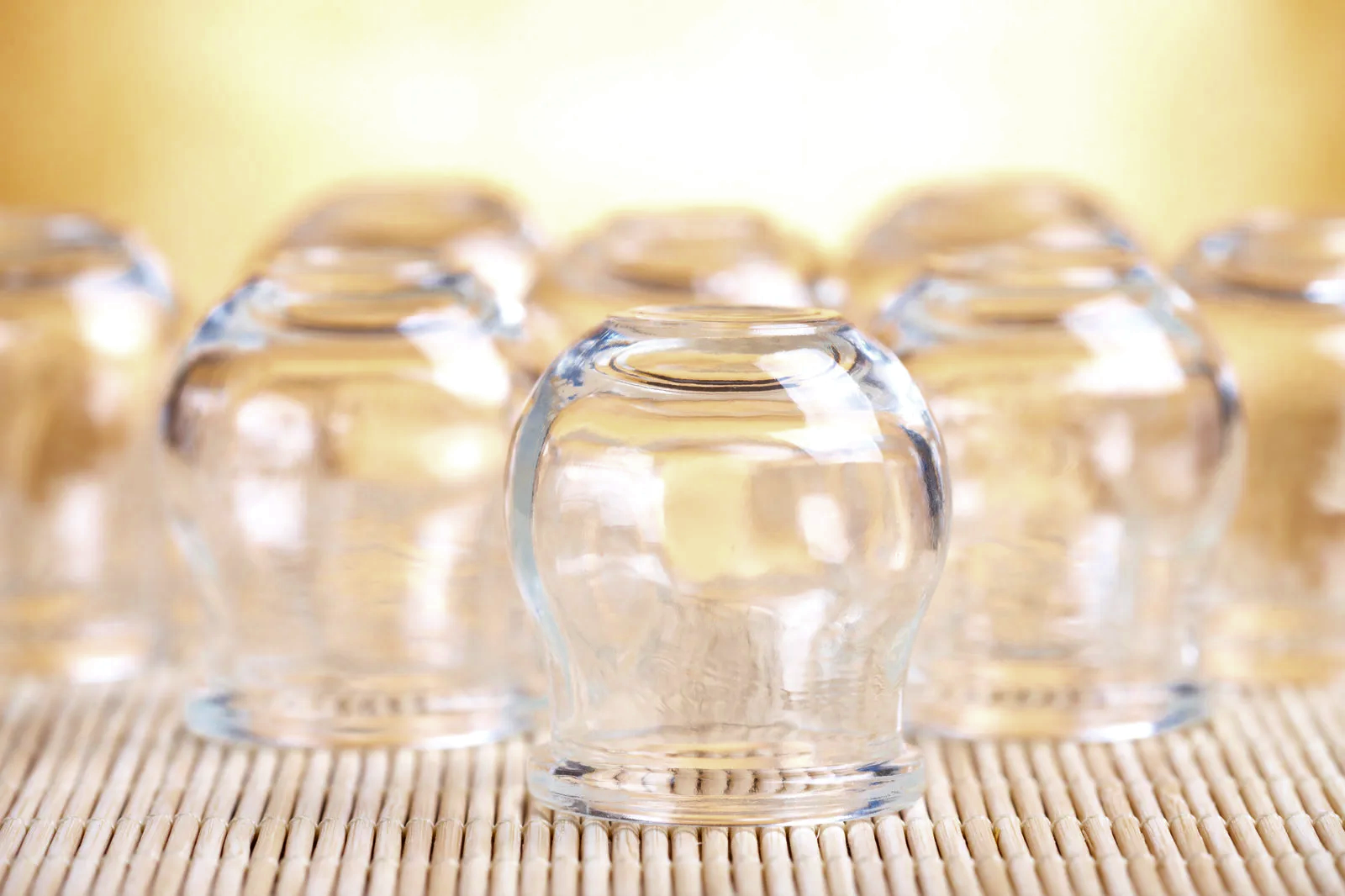
An ancient method where smooth glass cups are applied to the body (commonly the back, shoulders, or hips) using a gentle vacuum suction. Cupping acts as a profound deep-tissue release, drawing fresh oxygenated blood to the area to loosen tight, stubborn knots.⁷
What to expect: Cups can remain stationary to target a specific point, or glide smoothly over lightly oiled skin. It is a completely painless, deeply soothing experience that feels similar to a therapeutic massage.

Moxibustion (灸)
Moxibustion involves the gentle warming of specific acupuncture points using 'moxa' (the dried leaves of the herb Artemisia vulgaris). This deeply penetrating, soothing heat is used to warm, comfort, and strengthen parts of the body that feel depleted, weak, or physically cold.
What to expect: Moxa can be held near the skin as a stick to warm a broader area (like an aching lower back or abdomen), or applied to specific joints (like a stiff knee or shoulder) to deliver targeted warmth. It is highly effective for gently restoring energy during times of exhaustion and is particularly comforting postpartum.
Frequently Asked Questions
-
This is the most common question I hear! If you are nervous about needles, please be reassured that acupuncture is nothing like having an injection or a blood test.
Over my decades of practice, I have cultivated an incredibly gentle needling style. The needles used are single-use, pre-sterilised, and as fine as a strand of hair. Upon insertion, most clients report feeling almost nothing at all. You may subsequently feel a brief, mild tingling, warmth, or a dull ache. This is a completely normal sign that the body's natural regulatory response has been stimulated, and it typically subsides quickly, leaving you feeling deeply relaxed and comfortable.
-
Your journey begins with an initial consultation, which involves a comprehensive holistic assessment of your primary concerns, general health history, lifestyle, and diagnostic checks (such as Chinese Medical pulse and tongue evaluation). We will then discuss an individual treatment plan tailored specifically to you, followed by your very first acupuncture treatment.
Follow-up appointments begin with a brief review of your progress and any shifts in your wellbeing, along with your ongoing treatment. Depending on your needs, your session may include additional supportive traditional modalities such as gentle gua sha, cupping, or moxibustion.
-
Because every individual responds at their own unique pace, the number and frequency of sessions depend on the nature, duration, and lifestyle factors surrounding your condition(s).
As a general guideline, I typically recommend an initial course of 4 to 6 weekly treatments. By this point, cumulative benefits should be apparent, allowing us to review your progress and design a maintenance plan if required.
For those seeking support for gynaecological wellness or cycle-tracking, a framework of 3 months is often advisable. This allows us to monitor and support your natural hormonal rhythms over consecutive cycles effectively.
-
Yes. When performed by a fully qualified professional, acupuncture has an exemplary safety record. It is completely safe to receive throughout all trimesters of pregnancy and can be used harmoniously alongside most conventional medical treatments.
If acupuncture is not suitable for your condition I will discuss this with you during the initial consultation and suggest an alternative that either I or someone else can provide. It is always advisable to bring details of any medication you are taking and any major health problems you have when you come for your first treatment to aid evaluation.
As a registered member of the British Acupuncture Council (BAcC), I abide by strict Codes of Safe Practice and Professional Conduct. I practice exclusively using single-use, pre-sterilized, disposable needles. Independent surveys published in the British Medical Journal confirm that the risk of a serious adverse reaction to professional traditional acupuncture is fewer than 1 in 10,000 - making it significantly safer than many standard orthodox medical options. ⁸ ⁹
I frequently work alongside my clients' existing healthcare teams - including physiotherapists, osteopaths, and consultants - to ensure your care is beautifully integrated and complementary.
-
To get the most out of your treatment, here are a few guidelines to keep in mind:
Before: Try not to attend your appointment on a completely empty or overly full stomach. Avoid heavy physical exertion, caffeine, or alcohol right before your session.
After: To allow your nervous system to process the treatment fully, it is ideal to avoid strenuous workouts or alcohol for the rest of the day. If possible, give yourself a little quiet time to rest and drink plenty of water.
It’s best to wear loose, comfortable clothing that allows easy access to your lower arms and lower legs, which are common areas for point selection.
If I need to access your back or hips for pain management, you may be asked to adjust or remove some outer clothing. Your privacy, modesty, and comfort are my absolute priorities; you will remain professionally and securely draped throughout the entire session. If you ever feel uncomfortable removing an item, please let me know - I can adapt treatment to find an effective alternative approach.
-
Yes, often this is possible. If you suffer from a severe needle phobia, your comfort comes first. We can build an effective, needle-free therapeutic plan using non-invasive modalities such as gua sha, cupping, or private Qi Gong tuition, depending on your health goals.
-
Many UK private health insurance cash-plans and providers (such as Medicash, Westfield Health, and WPA) recognise the British Acupuncture Council and may provide full or partial coverage for traditional acupuncture treatments. I highly recommend checking the specific terms of your policy before booking.
If your provider allows it, I am delighted to provide an official receipt containing my BAcC registration details to support your claim. Please get in touch prior to your initial consultation to confirm if your specific policy can be accommodated.
Still have questions?
References & Clinical Evidence:
Nervous System Regulation & Endorphins: Han, J. S. (2004). Acupuncture: neuropeptide release produced by electrical stimulation of different frequencies.Trends in Neurosciences, 26(1), 17-22.
Manage the body's chronic stress and pain responses - ‘fight or flight’: National Institute for Health and Care Excellence (NICE). (2021). Chronic pain (primary and secondary) in over 16s: assessment and management of chronic primary pain.NICE Guideline [NG193]. London: NICE.
Pain Modulation & Sensory Thresholds: Vickers, A. J., et al. (2018). Acupuncture for Chronic Pain: Update of an Individual Patient Data Meta-Analysis.The Journal of Pain, 19(5), 455-474.
Local Circulation & Tissue Recovery: Sandberg, M., et al. (2003). Effects of acupuncture on skin and muscle blood flow in healthy subjects.European Journal of Applied Physiology, 90(1-2), 114–119.
Gua Sha & Microcirculation:Nielsen A., et al. (2007). The effect of Gua Sha treatment on the microcirculation of surface tissue: a pilot study in healthy subjects. Explore (New York, N.Y.), 3(5), 456–466.
Soft Tissue Mobilisation & Lymphatic Drainage - Fascial Decompression Science: Loghmani M. T., & Warden S. J. (2009). Instrument-assisted cross-fiber massage accelerates instrument-assisted soft tissue mobilization. Journal of Orthopaedic & Sports Physical Therapy, 39(7), 506–514.
The Medical Perspective on Cupping Therapy:Al-Bedah A. M. N., et al. (2019). The medical perspective of cupping therapy: Effects and mechanisms of action. Journal of Traditional and Complementary Medicine, 9(2), 90–97.
The Safety Record of Acupuncture: MacPherson, H., et al. (2001). The York acupuncture safety study: prospective survey of 34 000 treatments by traditional acupuncturists.BMJ, 323(7311), 486-487. Read the York Safety Study on PubMed
Acupuncture Safety: White, A., et al. (2001). Adverse events following acupuncture: prospective survey of 32 000 consultations with doctors and physiotherapists.BMJ, 323(7311), 485-486. Read the Medical Acupuncture Study on PubMed